
Crossfield’s history reflects the broader story of prairie settlement in Alberta—rooted in transportation, driven by agriculture, and shaped by steady growth and community resilience. From its beginnings as a railway siding to its present-day role within a growing regional corridor, Crossfield continues to build on its historical foundations.
Early Settlement & Transportation (1890 - 1904)
The origins of Crossfield date back to the late 19th century, when the area served as a stopping point along the Calgary–Edmonton Trail. Around 1890, early settlement activity began with the establishment of a stopping house to serve travellers moving between the two growing centres.
A major turning point came in 1892 with the construction of the Calgary and Edmonton Railway, operated by the Canadian Pacific Railway. A siding was established approximately 29 miles north of Calgary and named “Crossfield” after an engineer involved in the railway survey crew.
Rail access was critical to the community’s early growth. By 1904, Crossfield had developed into a small but active settlement with a post office, general store, hotel, and school serving local residents and surrounding agricultural lands.
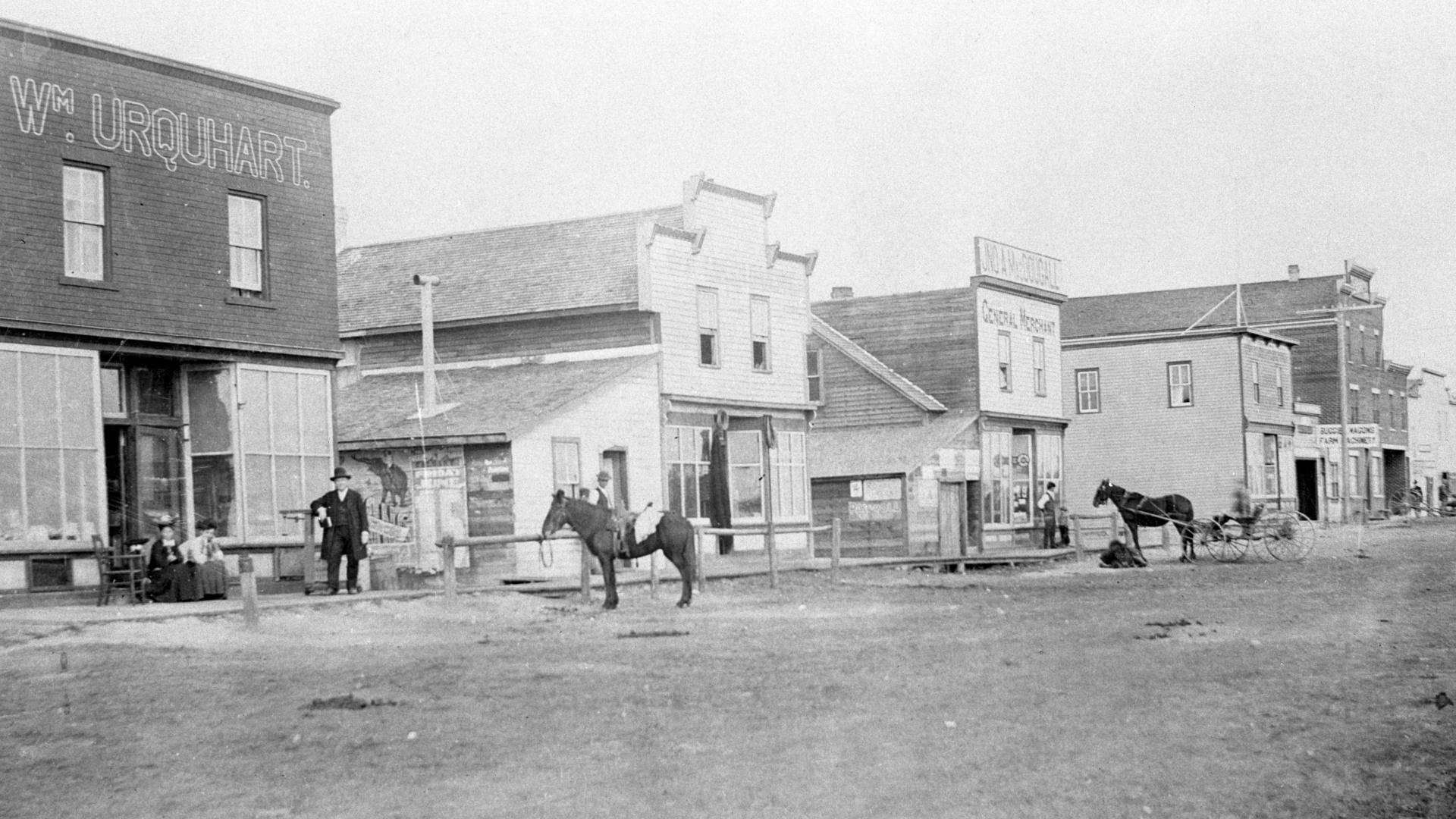
Early 20th Century Development (1907–1930s)
Following incorporation, Crossfield developed as a service centre for the surrounding agricultural region. Businesses, transportation infrastructure, and community services expanded to meet the needs of a growing rural population.
Grain elevators, rail service, and agricultural commerce continued to shape the town’s identity and economic base. Like many prairie communities, Crossfield’s development was closely tied to the success of local farming and access to transportation networks.
In 1924, a major fire destroyed much of the village’s commercial core. Despite this setback, the community rebuilt and continued to grow, demonstrating resilience and a strong local commitment to development.
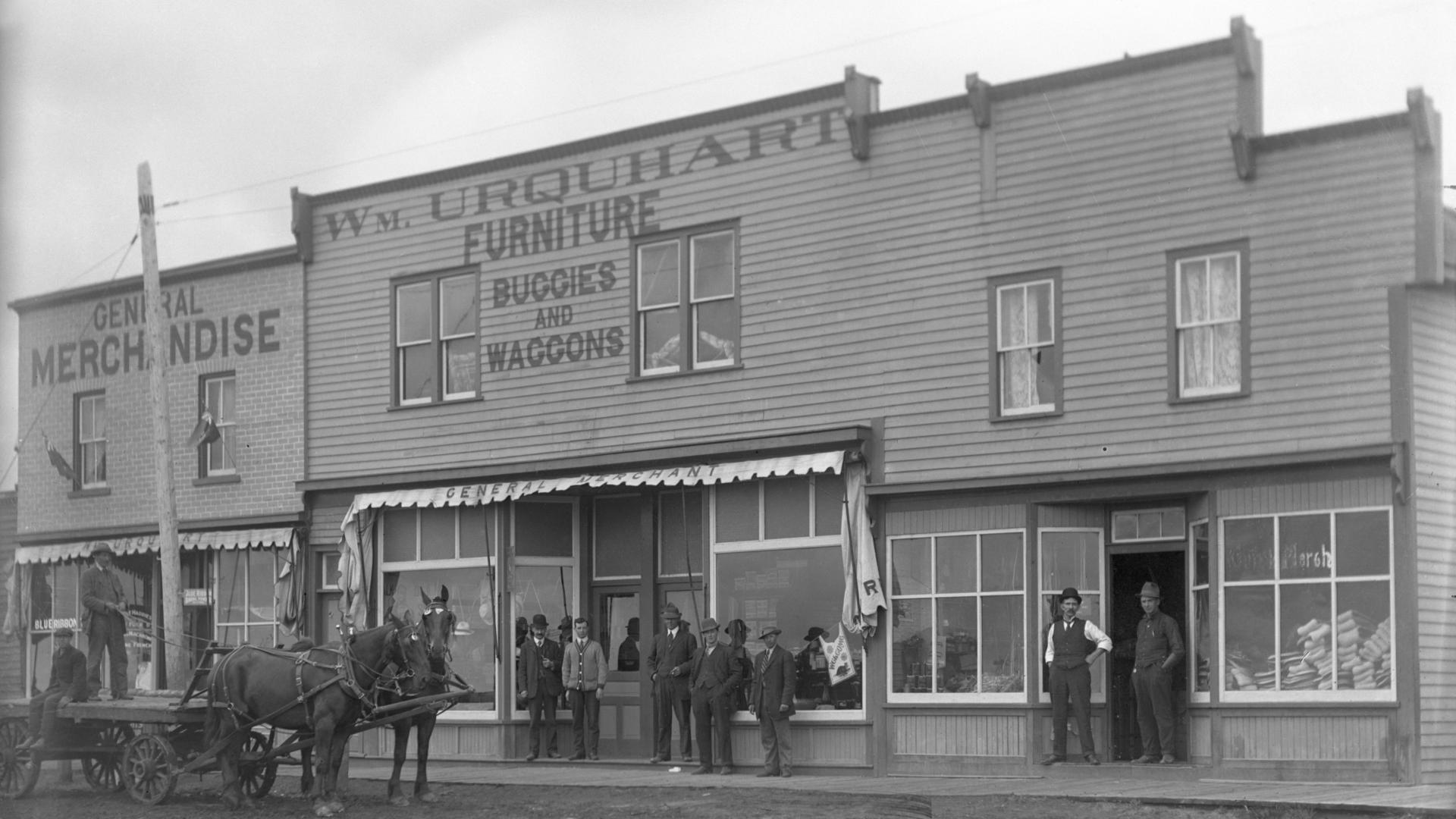
Mid-20th Century Growth and Industry
Throughout the mid-20th century, Crossfield remained rooted in agriculture while gradually diversifying its economy. Agricultural services, grain handling, and related industries continued to play a central role.
The development of natural gas processing in the region—particularly with the establishment of the Crossfield Gas Plant in 1965—introduced additional industrial activity and contributed to economic stability and employment.
During this period, improvements in transportation, infrastructure, and services supported steady population growth and community development.
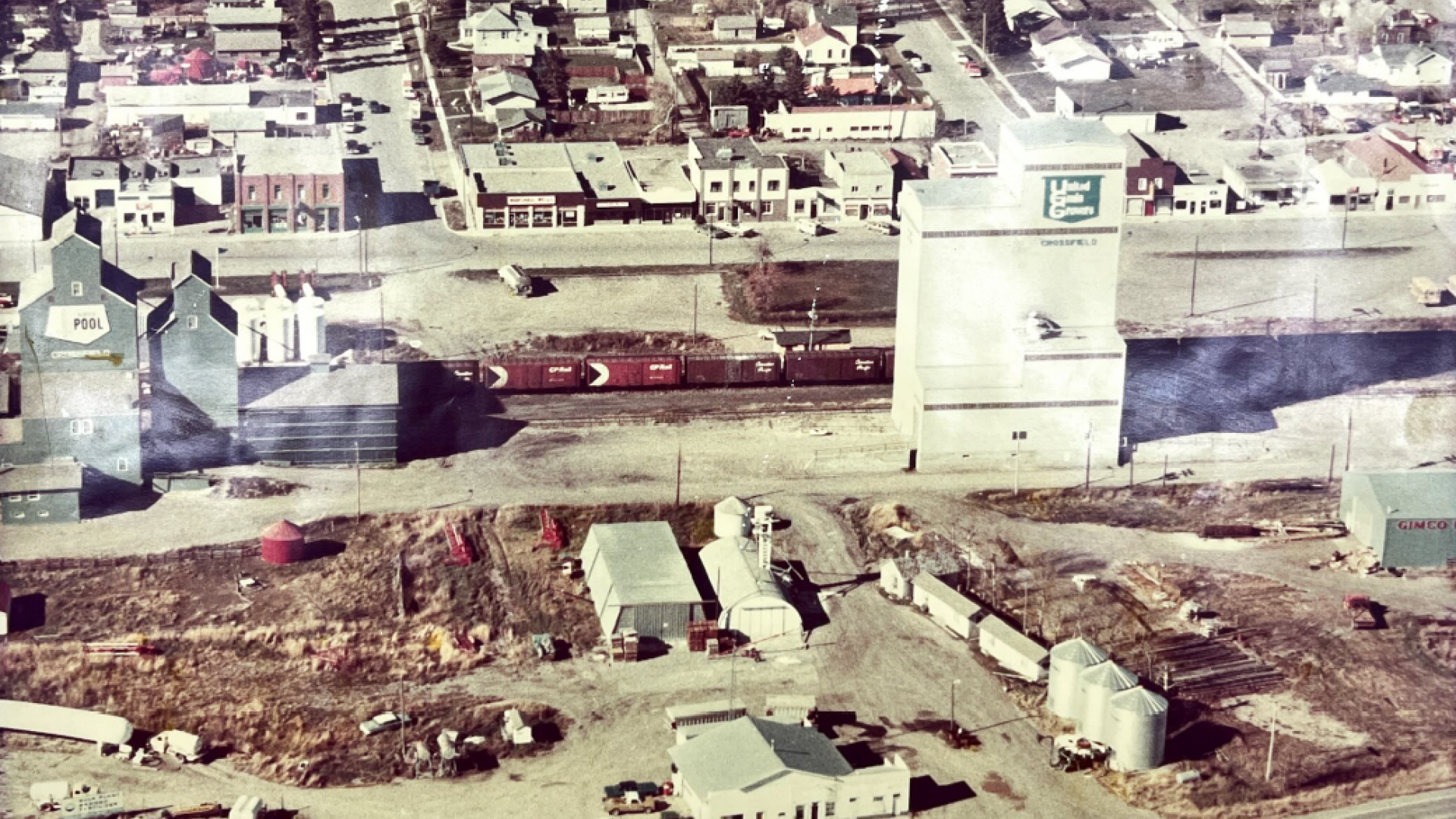
Transition to Town Status and Modern Growth (1980–Present)
By 1980, Crossfield’s population had grown sufficiently for it to be incorporated as a town.
Since then, Crossfield has continued to evolve while maintaining its agricultural roots. Its location within the Calgary–Edmonton Corridor and proximity to Calgary have contributed to ongoing residential growth and development.
Today, Crossfield is part of the Calgary Metropolitan Region and serves as a small-town community with access to regional economic opportunities while retaining a strong sense of local identity.